Tag Archives: gulledgewc6

Daily Life- Music and Dance

harpist_and_drummer acrobatic_dancers


Daily Life Music and Dance

Aden Lemma

When would they sing and dance?

  • Music was performed on every day occasions
  • They had public festivals where everyone would be entertained
  • They would also sing to worship there god

How would they play?

  • They would play harps (usually played by woman), flutes, sistrum, and timbrel
  • They would use clapping or beats
  • Music and dance was also used by temple priest
  • The priest wives would be singers and dancers because they live in the temple with the priest
  • Cult singers can be men and woman

What would they dance?

  • The dances would be very athletic with many gymnastics in it
  • They would dance ballet
  • But the men with the man and the woman with the woman

When would they dance?

  • There are specific dances that were meant for different things
  • They would dance for funerals
  • They dance in Festivals


Citation


  1. (Images) http://www.reshafim.org.il/ad/egypt/timelines/topics/music.htm    . 9/16/15. Web
  2. Book: Hart, George. Ancient Egypt. Alfred A. Knopf, Inc. 1990. Print


acrobatic_dancers harpist_and_drummer

Daily Life – Food & Drink

Daily Life – Food and Drink

Chris Butulis

How the Egyptians got their foods:

  • Farmers had cattle and some people hunted wild animals to get meats.
  • Raising animals for meat was expensive.
  • Most of the Egyptians were farmers at a point, so they gathered food to sell at the market.
  • Around 90 percent of the Egyptians were farmers, so they could get their food from farming.
  • Some people gathered wild plants to supplement their diets.

What the Egyptians ate:

  • Upper class families had a variety of foods to eat including fish, pigeon stew, quail, ribs, rolls, cakes, some fruits, stewed figs, cheese, wine and beer.
  • Lower classes meals included a smaller variety of foods including vegetables, fish, bread, and water or beer.
  • Malnutrition was not a rare occurrence among the lower classes.
  • The upper and lower class Egyptians drank milk form their cows.

Crops and Animals:

  • Two of the most important crops were wheat and barley, which were used to make bread and beer.
  • Farmers also grew vegetables including onions, radishes, peas, beans, cucumbers, and lettuce.
  • The Egyptians raised cattle for meat and milk and a few other animals like sheep

How Egyptians planted:

  • One farmer scattered seeds and another farmer followed up with a plow.
  • In November farmers sowed their fields in pairs.
  • Egyptians harvested some of their crops with sickles
  • The animals were fed some of the grown wheat.


Daily Life Blog Post farmers-picture Daily Life Blog Post- Farming Picture

Citations

(Image). http://carlos.emory.edu/ODYSSEY/gif-still/farmers.gif.9/16/15.Web.

(Image).http://www.reshafim.org.il/ad/egypt/timelines/topics/pics/topics.jpg.9/16/15.Web.

Dollinger André. An introduction to the history and culture of Pharaonic Egypt.http://www.reshafim.org.il/ad/egypt/timelines/topics/index.html.9/16/15.Web

Carlos Museum of Emory University.Egypt. http://carlos.emory.edu/ODYSSEY/EGYPT/homepg.html.9/16/15.Web.

Daily Life- Social Classes

Daily life of Egypt Project- Social Classes

Ryan Chase

1st Class

The first class consisted of the royal family and the Pharaoh.

The Pharaoh was in charge of everything. His family was very important too because they are going to be the next Pharaohs.

The Pharaoh was the one that all the Egyptians believed to talk to the Gods and made the sun rise and set.

2nd Class

The second class consisted of all the people that helped the Pharaoh these people were Priests, Military officials, Tax collectors and Powerful Nome’s.

The Priest’s job was to perform special rituals at temples because the Pharaoh can’t be at all of them.

The Military officials were important because their job was to command the Egyptian army. The generals traveled with the Army and were the ones that invaded other territories.  Since the Military official was out a lot he left the house to his family.

The Tax Collector’s job was to go around to houses and collect the taxes for the Pharaoh. He was also in charge of all the Grain and keeping in a journal how much there was to be able to distribute.

The powerful Nome’s went around and did the Pharaohs biddings by traveling and checking in on things.

All the people in the second class were rich, had servants and had big houses.


3rd class

The third class consisted of all the Scribes, Skilled Workers,  Potters, Craftsman and Builders.

The Scribes had to go to a school just to become a scribe. It was so hard to graduate that only 1% of Egyptians were Scribes. So imagine how hard it was to become a Pharaoh! The Scribe’s had jobs as historic note takers and accountants. The Scribes lived in moderate houses the houses were worse than the second class but better than the fourth class.

The Craftsman and other Skilled Workers had their own business selling what they make. The better you were the more money you could make. If you were good at your job you would sell what you make to the second and first class people. If you were ok you would sell it to the third and the fourth class people. The Craftsman and Skilled Workers lived in houses like the Scribes but there houses were different because they need space to build what they sold.

These third class people relied on the fourth class people to make the crops so that they can trade with them to feed their family since they didn’t have any crops to make.


4th Class


The fourth class people were the farmers.That is where most people made a job in Egypt. But don’t think these people aren’t important!

The farmers are what makes Egypt up because they make all the food for the civilization. They use the Nile’s water to fertilize their soil. They mostly grew grain and some other kinds of crops.

The farmer’s houses were the second lowest houses, besides the slaves. They didn’t have a lot of money to spend.

The slaves were lower than the farmers because they didn’t have to know how to do anything but get and do instructions. So they had no money and had to share houses.


akenhaten_only_priest egyptpeople2


The museum of Emory University .Odysey.Odyesey of Egypt.http://carlos.emory.edu/ODYSSEY/EGYPT/scribes.html.9/15/15.Web


Delliver Dogan Enterprises.PBS. PBS Kids.http://www.pbs.org/empires/egypt/special/lifeas/nobleman.html.9/15/15.Web


(Image)<http://carlos.emory.edu/ODYSSEY/EGYPT/people.html>9/15/15.Web.

(Image http://www.pbs.org/empires/egypt/newkingdom/priests.html> 9/15/15.Web.


Jaquelin Morley. How Would You Survive as an Ancient Egyptian?. Franklin Watts. 1995. Print


Daily Life- Personal Adornment

Daily Life- Adorning the Body

Natasha Sachar

Clothing Worn In Ancient Egypt

  • Light and simple clothing was worn that was made from linen.
  • The average man wore length of cloth wrapped around the waist and a plain shirt.
  • An average lady wore long skirts, sleeveless dresses, and sometimes would top her outfit with a square shawl.
  • The upper class or rich people wore the same style clothing as average people; but it was better quality and they could afford dyes like gold and yellow for their clothes. (Lower class had white clothes.)

Jewelry

  • In Ancient Egypt, a lot of jewelry was worn by everyone. Men and women, rich and poor all wore jewelry.
  • Wearing Jewelry was a way to improve one’s attractiveness in the eyes of others and of the gods. Many wore earrings, broad collars with stands of beads, chest adornments, bracelets, armbands, rings, collars, and anklets. They loved their Jewelry!
  • Gold and semiprecious stones such as carnelian, lapis lazuli, and turquoise were used to create very valuable pieces.


Hair and Body

  • Ancient Egyptians paid great attention to their hair. Some people dyed hair with henna and others cut their hair very short or just shaved their head bald.
  • Some wealthy people owned wigs made from real human hair. As an added adornment, people tied cones of scented animal fat which are called perfumed pomades to their wigs.
  • Men and women both wore the same amount of makeup!
  • Ancient Egyptians colored their eyelids with a green substance made from a soft stone called malachite. They also outlined eyes with black kohl, a substance of lead ore mixed with water. They did this to protect eyes from sun and make eyes look bigger.
  • Men and women both adorned themselves with cosmetics. They used perfumed oils to soften skin and keep it from getting ruined in desert climate.

Daily Life- Personal Adornment Picture 1Daily Life- Personal Adornment Picture 2


Citations:


  1. (Image). http://www.historymuseum.ca/cmc/exhibitions/civil/egypt/images/life26b.jpg.9/16/15.Web.
  2. (Image). http://classroom.synonym.com/DM-Resize/photos.demandstudios.com/getty/article/41/200/92845946_XS.jpg?w=390&h=390&keep_ratio=1.9/16/15.Web.
  3. Reshafim. Personal Adornment. http://www.reshafim.org.il/ad/egypt/crowns/jewellery.9/16/15.Web.

Daily Life- Housing

Daily Life- Housing

Cassidy Young

Lower Class

  • The size of houses and amounts of furnishings varied between lower and upper class.
  • If you were lower class, as you probably would have guessed, your house would be duller and smaller than upper class.
  • As a poorer Egyptian, you would have little furniture as well.
  • The most basic furniture the Egyptians had were tables and beds, which is for the most part the only furnishings in the poorer Egyptians homes.

Upper Class

  • Important and wealthy citizens lived in bigger cities. These cities were the center of business.
  • Also, your house would look nicer, for example it might be painted and plastered.
  • Royals would have much nicer homes.  They would be at least twice the size of others, and some even had multiple stories.
  • Some decorations that wealthy and royal Egyptians had included, trees, flowers, bushes, and sometimes high walls around them.

Ways of Living

  • The houses that were made of mud bricks were not as sturdy as the stone buildings.
  • However, they still served their purpose nicely.
  • The Egyptians created temples and tombs out of better quality materials than other buildings like their houses, in hope that they would last forever.
  • Ancient Egyptian houses were mostly made out of mud bricks.
  • The Egyptians made their houses facing the north so that the north wind could circulate through the houses.

The Building Process

  • As I’ve already mentioned, the houses are made from the mud in the Nile.
  • The mud was gathered using leather buckets, and then carried to the building site.
  • Once there, the builders would add straw and pebbles to strengthen the mud.  After this, it was poured into wooden frames to form the actual “bricks”.
  • To dry the bricks, they would put them out in the sun.  Once dried, the houses would typically be decorated.

EgyptMudbrickHome housemodel

Citations

(Image).http://www.crystalinks.com/egypthomes.html.9/16/15.Web

(Image).http://quatr.us/egypt/architecture/houses.htm.9/16/15.Web

Hart, George. Ancient Egypt. Alfred A Knopf, Inc. 1990. Print

Daily Life- Medicine

Daily Life- Medicine

Kali Bate

Common Illnesses

  • Medicines such as herbs were expected to ease pain only, whereas magic produced the cure.
  • The age of death was around 35 years.
  • You could die from bilharziasis, which was a disease that was hard not to catch when you were in a country that was flooded for many months per year.
  • There were also insect borne diseases such as malaria and trachoma.
  • Plagues spread through the common trade routes Egyptians went along.


Surgery

  • Surgery in the early Egyptian years were mainly used if you had wounds, dislocations, or fractures.
  • It was also sometimes used for the removal of tumors.
  • Anesthetics, which were made from plants, were used during surgery.


Practicing and Learning about Medicine

  • If science didn’t work for finding a cure, doctors then turned to magic.
  • Egyptians have been practicing medicine for hundreds of years.
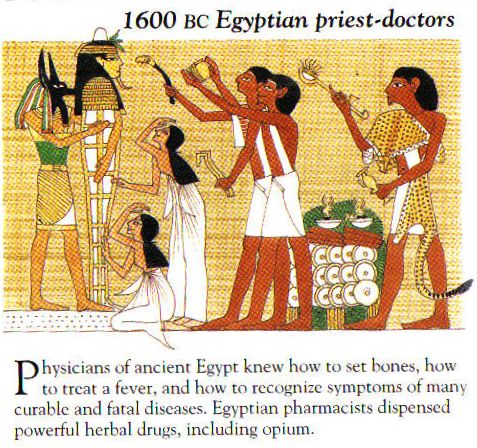
  • Doctors that had attended special schools to complete their general education, learned about symptoms of many illnesses.
  • They also learned how to diagnose and treat the illnesses.
  • The Ancient Egyptian doctors had a clear understanding of the organs and of the structure of the body.
  • Doctors knew the importance of the heart, and used the body’s pulse rate to determine the person’s health.
  • Medicines were made from many different plants, minerals, and sometimes even parts of animals.
  • The ingredients were mixed with either water, beer, wine, or milk, so patients could drink it. Or, the medicine was mixed with oil, and was applied to the skin.
  • Ancient Egyptians believed in treating health problems with combinations of magic and medicine.
  • They thought people became sick when some sort of disease or illness caused worms to form inside the body.
  • The Ancient Egyptians believed that magic and or medicine was needed to drive away the worms and cure the patient.
  • The doctors had prescriptions and treatments for multiple illnesses, including those with eye problems, tumors, and snake bites.
  • Parts of plants and herbs including garlic were used often in their treatments.
  • Magicians were used to performing magic when other treatments were limited or didn’t provide a cure.
  • Ancient Egyptian doctors did not perform surgery, but did treat injuries and wounds with bandages and stiches.


Childbirth

  • The goddess Taweret was the goddess of childbirth. It was essential to say prayers to her.
  • For childbirth, Ancient Egyptians relied mostly on magic and help by the Gods rather than with medicine.
  • Prayers, charms, as well as spells were used to protect mothers during pregnancy and childbirth.
  • Prayers also helped protect babies against childhood diseases and dangers.


Egyptian medical describing what materials they used                          Egyptian medical describing procedures for surgeries


Citations:

(Image).http://upload.wikimedia.org/wikipedia/commons/thumb/4/4b/Ancient_Egyptian_medical_instruments.jpg/256px-Ancient_Egyptian_medical_instruments.jpg.9/16/15.Web


(Image).http://www.planetseed.com/files/uploadedimages/Science/Features/Health_and_Safety/History_of_Medicine/egyptians1.jpg.9/16/15.Web


David, Rosalie. Handbook to Life in Ancient Egypt. Infobase Publishing. 1998. Print


Daily Life- Medicine

Daily Life- Medicine

Adam Farris

Doctor Training:

  • The Ancient Egyptians practiced medicine for centuries.
  • People that wanted to study medicine had special training that was after the normal required Education
  • They learned about symptoms of diseases and how to diagnose and treat them.
  • Doctors understood almost perfectly how the organs worked and where they are and structure of the body.
  • They used pulse rate to tell if the patient was healthy or not.

“Magic”:

  • Doctors believed in treating problems with both magic and medicine.
  • They thought you could use both magic and medicine to drive the “worms” out.
  • They thought that most diseases created a worm or multiple worms inside of the patient’s body.
  • Magicians were used to cast spells to get rid of the illness if the treatment is ineffective or they don’t have much ingredient that the cure needed.

Meds and Remedies:

  • They normally used garlic, plants, or other herbs in their treatments.
  • Doctors had prescriptions for things like eye problems, tumors, scorpion stings, fevers, and snake bites.
  • Most doctors weren’t trained in dentistry so most common folk had very poor dental hygiene
  • Imhotep was the dentist of King Djoser and he still had poor dental health from what we can salvage from the tomb
  • Most pharaohs were found with fake or golden teeth.
  • There are three possible ideas that could be true, the pharaohs were not very good at maintaining dental health, the pharaoh had them as a sign as how rich he was, or the golden teeth were part of the embalming process.
  • Either way, we know that dental health wasn’t a very high priority in Ancient Egypt.

Surgery and Childbirth:

  • Doctors treated wounds with bandages or stiches but didn’t perform surgery.
  • They didn’t have pain killers back then so the pain alone would possibly kill the patient.
  • In childbirth, doctors relied on magic and praying to god instead of medicine.
  • There was no way to help with medicine.
  • Several gods were called upon to help the woman.
  • Charms, spells, and prayers were casted upon the woman to insure safety for the woman and the baby from childhood diseases.
  • Most diseases back then were lethal to babies.


Citations:

(Image).http://www.blatner.com/adam/consctransf/historyofmedicine/1-overview/egypt.JPG. 9/16/15.Web.


(Image). https://encrypted-tbn0.gstatic.com/images?q=tbn:ANd9GcTamx EqcMFpNln2o2BX8k78_DmXDqVGlqRnOAraQaC15Nv1_kxPZXEMUg. 9/16/15.Web


Doling Kindersley. Ancient Egypt Eyewitness Books. Dorling Kindersley Publishing Inc. 2000. Print


Daily Life-Music and Dance

Daily Life-Music and Dance

Jaya Winemiller


Festivals

  • Some festivals that had music and dancing were the crowning of the Pharaoh, public festivals, private festivals, religious festivals, and royal occasions.
  • The crowning of the Pharaoh had a lot of dancing and music to honor the new Pharaoh.
  • Public and Private festivals were celebrations either with a family or with a large group of people.
  • Religious festivals were celebrations of the people’s religious beliefs.
  • Royal occasions were something having to do with the king, queen, or his family.


Music

  • The types of instruments the Egyptians play are Percussion, Wood, and String instruments.
  • Examples of instruments the Egyptians play are the Harp, Lyre, Lute, Flute, Oboes, Tambourines, Rattles, and Drums.
  • Mostly women play instruments. Instead of reading the music, they memorized it by listening to the sound of the music.
  • Musicians perform in festivals of all kinds, both public and private.


Dancing

  • Dancers started to dance when they were really young, almost a toddler! They were taught to dance at festivals to honor the Pharaoh.
  • Dancers performed to the music played at all of the festivals by the musicians.
  • At private festivals dancers performed in front of wealthy people.


Other performers at festivals

  • Other performers at festivals were acrobats and magicians.
  • They are like the dancers and musicians but they are not always at every festival.
  • Acrobats were similar to dancers. They both did a form of dance. Acrobats did flexible movements in dancing, while dancers danced normally.
  • Magicians also performed alongside the other performers. They sometimes entertained royalty and sometimes entertained wealthy people that hired them.


Citations


(Image). http://www.utahloy.com/m6egypttech/muu2.htm.9/16/15.Web

(Image). http://www.ancient-egypt-online.com/egyptian-dance.html.9/16/15.Web


Website:   Dollinger, André.Aspects of life in Ancient Egypt. http://www.reshafim.org.il/ad/egypt/timelines/topics/index.html.9/15/15.Web


Music Picture Dancing Picture

Music                                                                             Dance

Daily Life-Domestic Life

Marriage:

  • Marriage is a private matter
  • It happens when a man and a women set up a household together
  • Girls usually marry at 12, boys at 14
  • Marriages from the same family (i.e. cousins marrying) was not taboo

Fun and games

  • Children played with dolls, balls, and toy animals
  • Board games such as Senet and A Game Of Twenty Squares were played
  • Boys pretended to be soldiers, whilst girls often played games involving dancing
  • The Egyptians played marble games!

Social classes (from highest to lowest)

  • Pharaoh
  • Government officials
  • Soldiers
  • Scribes
  • Merchants
  • Artisans
  • Farmers
  • Slaves/servants

Women

  • Women had pretty much equal rights as men
  • Wives of the rich were responsible for running the household, childcare, and overseeing servants
  • Wives of paupers had to cook, clean, and other manual labor
  • A women’s social position depended on first her father’s social position, then her husbands

Citations:

  1. (Image) http://carlos.emory.edu/ ODYSSEY/EG2YPT/daily.html
  2. (Image) http://www.reshafim.org.il/ad/egypt/timelines/topics/index.html
  3. (Information) http://www.reshafim.org.il/ad/egypt/timelines/topics/index.html


Daily Life- Religious Beliefs

Daily Life- Religious beliefs

Sophia Khoudary

In Egypt there were many beliefs you could have. For instance you might have believed in a “god” that was part human if you had lived in that time.  You would praise them and glorify them along with your king who was also a “god” in the Egyptian’s eyes. Listed below are some “gods” and beliefs the Egyptians believed.

      • People believed in and worshiped “gods”.
      • Some “gods” were more important than others.
      • Many “gods” were partly human such as “Anubis” who had a head of a jackal and the body of a human.
      • Not all “gods” were part human. A “god” named “Bast” was purely cat.
      • Kings were considered “gods” and people believed that he could control the water flow of the Nile and communicate to other “gods” and etc.

In Egypt, you could not do very much for your “god” as a person because your main goals were to have enough food, to be sheltered by something, and to have enough currency to support themselves. Yet somehow people the found time and currency to do so. Listed below are some expectations from the Egyptians and ways they worshiped their “gods”.

    • They made offerings such as mummified animals to their “gods”.
    • They held celebrations which some of them consisted of the temples people made for them.
    • The people hoped for an after life because in their belief you would get eaten by a monster if you did not pass the test.
    • Egyptians made temples which were where you were to worship your “gods”
    • They made sacrifices to help please the “gods” because if they didn’t get many sacrifices the Egyptians believed the “gods” would get very angry.


Once you died there was belief that you had a second chance to live. Listed below is the belief which determined if you pasted the test or not.

  • One of the beliefs was to weigh a dead person heart weight against ostrich feather,
  • If the heart was lighter the person would have an everlasting life
  • If it not they would be “eaten” by the “Swallower”, a monster with the head of the crocodile and the body of a lion and a hippo.

One of the “gods”, Bast, (who was a cat,) was responsible for many other cat’s deaths because of how the Egyptians worshiped her. Listed below are the ways they worshipped Bast.

  •  Egyptian people are believed to have killed cats by breaking their necks.
  •  They would mummify cats as an offering to Bast.
  •  Some say that the Egyptians bred cats just to mummify them. 

    Picture of Religous Beliefs Egypt #2Picture of Religous Beliefs Egypt


    Citations:

    Akhet Egyptology.The Horizon to the Past.http://www.akhet.co.uk/cairo.htm.  9/15/2015 .Web


Daily Life in Ancient Egypt – Food and Drink

Sydney Tai

Farming

  • 90% of Ancient Egyptians were farmers
  • Before the Inundation, it is important to prepare irrigation channels – most would need to be repaired and cleared of weeds
  • Farmers sowed their fields in November after the Inundation around the Nile
  • The entire family helped to harvest in the spring, using wooden sickles
  • Cattle would be used to thresh the grain (process of removing stalks from the grain)
  • Women would winnow the grain (process of using wooden paddles to blow away unwanted husks, or chaff, from the grain)
  • The extra chaff would either become animal feed or strengthening material in mud bricks
  • Harvest would be brought to the marketplace, to feed the farmer’s family, stored in the granaries, or to pay a part of taxes
  • Materials/tools used in the process: cattle drawing plows, wooden sickles, donkeys, and granaries

What were the crops/meats that were grown/hunted?

  • The most important crops that were grown were wheat, barley, and flax to make bread and beer
  • Grew vegetables such as onions, garlic, asparagus, chickpeas, lentils, radishes, peas, beans, cucumbers, celery, and lettuce
  • Also grew grapes along the Nile delta to make into wine
  • Raised cattle for beef and milk to drink or make into cheese
  • Hunted geese, ducks, and other wildfowl

What were some food related beliefs and celebrations?

  • In Ancient Egypt, eating pork was forbidden and some fish species were sacred
  • Food would also be placed in tombs as an offering to the gods and food for the dead person in the next world
    • The offerings in the tomb might include bread, beer, beef, geese, wine, cakes, and fruits
  • The Egyptians also had many grand feasts at harvest time to thank the god for good crops
    • They celebrated successful harvests by dancing, singing, playing music

Cooking and Eating Between Different Classes

  • The lower class people ate simple meals including common vegetables, fish, bread, water, and beer
    • Food was cooked over an open fire on a cone-shaped stove
    • Kitchen tools were mostly made of wood while some knives were made of copper and bronze
  • Upper classes ate luxurious foods such as fish, pigeon stew, kidneys, quail, beef ribs, bread rolls, small round cakes, fruit, stewed figs, chees, and wine/beer
    • The rich usually had many servants to work and cook for them
    • At special meals, the dining hall would be decorated with wreaths, flowers, and many special foods
    • At the end of these meals, servants would bring jugs of scented water for guests to wash their hands

Egyptian VegetablesEgyptian Banquet

Citations:

  • Backwill, Richard. Food & Feasts in Ancient Egypt. Wayland Ltd. 1994. Print.
  • Bancroft-Hunt, Norman. Living in Ancient Egypt. Thalamus Publishing. 2009. (Image).http://www.reshafim.org.il/ad/egypt/timelines/topics/pics/banquet.jpg.9/16/15.Web
  • (Image).http://www.reshafim.org.il/ad/egypt/timelines/topics/pics/ahmose_coppersmith_stela.jpg.9/16/15.Web
  • PharaonicEgypt.http://www.reshafim.org.il/ad/egypt/index.html9/16/15.Web


Daily Life – Adoring the Body


Clothing

  • Light and simple linen clothes
  • Men had cloth rapped around on the bottom
  • Plain shirt that slipped over his head
  • Women have long skirt or sleeveless dresses
  • Wealthy people where the same style but better fabric and gold and yellow color.

Jewelry

  • Everyone wore jewelry
  • For decoration and magical reasons
  • They have amulet, earrings, broad collars with beads, chest adornments, bracelets, armbands, rings, and anklets
  • Fancy men wear bead collars with a golden falcon head.

Hair

  • Dyed their hair red mostly
  • Some had little hair or no hair at all
  • No hair because of the heat. No hair make it cooler
  • Fancy people had wigs
  • Men had shorter hair wigs than woman
  • On their wigs they Put cones of animal fat to make it smell good.

Cosmetics on body

  • Used cosmetics for their body
  • Men and women wore it for looks and protection
  • Used perfumed oils to soften their skin and keep it from cracking in the heat of the desert
  • Colored eyes green with a type of rock
  • They outlined their eyes with black so it will make their eyes look larger and protect them from the sun
  • It also protects the wearers from dieses

head of egyption Egyption woman

Citations:

  • (Image).www.realhistoryww.com/world_history/ancient/Images_Egypt/pair.jpg 9/16/15.web
  • (Image).www.historyonthenet.com/files/fs/egyptians/images/richegyptianwomandress.jpg 9/16/15.web
  • Bancroft-Hunt Nornman. Living in Ancient Egypt. Thalamus. 2009. Print.

Daily Life – Warfare

Daily Life-Warfare

Sarah Haddix

Soldiers

  • Egypt had an army of fulltime soldiers who were stationed throughout the Empire.
  • Soldiers had to take part in regular wrestling matches.
  • The Ancient Egyptians also had mercenaries, who were soldiers from other lands paid to fight for Egypt.
  • When the Pharaoh sent the army into battle, the Pharaoh would take one of every ten men who worked in the temples.
  • Soldiers were rewarded for bravery with gold and silver weapons, jewels, or gold medals in the shape of flies.

Organization

  • The Egyptian Army was organized into companies and divisions.
  • A company had about 200 foot soldiers or infantry.
  • A division had about 5,000 men.
  • A captain led each company and carried a staff topped with the company’s emblem.
  • A General or Lieutenant-General led each division.
  • Divisions marched under the banner of their local god.
  • Experienced soldiers fought in the front with newer recruits located in the back.
  • Trumpeters and standard bearers (men who carried flags) became essential for keeping organized.

Peacetime

  • Soldiers worked on different jobs during peacetime.
  • Some jobs they might do are digging irrigation canals or carrying stone from the desert to build a Pharaoh’s tomb.
  • When not working on a large project they would quarry and mine stone.

Wartime

  • In the New Kingdom, Egypt went to war regularly.
  • In war slaves could win their freedom with bravery and strength.
  • Foot soldiers used javelins (long spears used for throwing), daggers, and short, curved swords. To protect themselves, they used shields made out of rawhide and wore headgear made of padded caps.
  • The Ancient Egyptians attacked first with bow and arrow, and then sent in their melee troops.
  • Some soldiers fought in chariots.
  • Chariots were wooden horse draw carriages and served as moving platforms for archers to shoot off of.
  • Two soldiers rode in each chariot, the driver and the archer.
  • The driver wore a leather or bronze helmet and leather body armor and drove the chariot.
  • The archer was armed with a bow and arrow for shooting long range targets an javelins for close range targets.

ancient-egypt-military Egyptian-Military

Citations:

  1. (Image).http://www.ancientmilitary.com/ancient-egypt-military.htm.9-16-15.WEB
  2. (Image).http://www.ancientmilitary.com/ancient-egypt-military.htm.9-16-15.WEB
  3. Ancient Military. The Military of Ancient Egypt. http://www.ancientmilitary.com/ancient-egypt-military.htm.9-16-15.WEB

Daily Life: Crafts and Trade

Daily Life: Crafts and Trade

Neha Sharma

Arts and Pharaohs

  • Most craftspeople created their works of arts for the pharaohs, for wealthy families, or for temples.
  • They often went to school in the pharaoh’s palace, along with children of royalty.
  • Artists who worked for the royal and wealthy families, or for the temples, were well paid in food and other goods.
  • Those who became master craftspeople held a high status in society.


Life of an Artist what They Make and Use

  • Egyptians used simple tools produce various of crafts
  • Crafts people worked as sandal makers, stone carvers, leather workers, metal workers, sculptors, weavers, carpenters, jewelers, potters, and painters.
  • They made jewelry with gold an stone, created highly finished furniture, and produced statues made of bronze, glass, and stone.
  • Most craftspeople were men, and many of were taught from very young.
  • Many of them lived much better than ordinary members of the low class


Trading in General

  • Ancient Egyptians traded their crafts and resources with other countries and empires near and far.
  • Cities and towns near the Nile River were great trade centers.
  • Trade was controlled by the pharaohs.
  • Egypt traded goods such as grain, copper, gold, linen, gemstones, and various minerals.
  • In exchange, it received things it lacked, such as timber, iron, silver, tin, and lead.
  • Goods were not paid for currency or coin, but rather were exchanged for other goods.

What people did for crafts

    • Sometimes common villagers were able to obtain these finely made objects.
    • They might travel into towns and exchange some of their extra farm produce for such treasured objects.
  • People would do anything for these objects such as robbing
  • Gold was highly valued by Egyptians.
  • They thought gold was the work of gods since the color was bright like the sun
  • Some of the gold from the mines of from the desert and Nubia was sent abroad in from of it’s to foreign rulers like king of Babylon.
  • Manufactured goods and even princesses were sent in exchange to the pharaohs


Citations

(Images)http://www.reshafim.org.il/ad/egypt/psusennes_mask.jpg. 9/16/15.Web.


(Images)http://www.ducksters.com/history/art/ancient_egypt_bust_of_nefertiti_sm.jpg.9/16/15.Web.


Ancient Egypt George Hart 1990 Dorling Kindersley limited, London print

Daily Life-Burial Practices

Daily Life – Burial Practices

Matthew Logel

Embalming

  • The first step of embalming is to take a dead body to an ibu which means tent of purification.
  • Next you will need to save up lots of linen to use in your mummification.
  • Then use oils to make you smooth and sweet-smelling.
  • You need priest wearing the mask of Anubis, the god of embalming, to act as a chief embalmer at your death.

Materials

  • You will need a knife to cut your body open.
  • They needed Natron salt to dry the body up.
  • Also a hooked instrument will be used to take your brain out through your nose.
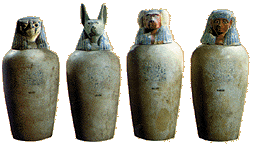
  • You will need jars with different heads to store each organ.
  • The human god Imesty for your liver, a head of the baboon Hapy to store your lungs, a jar with a jackal head of Duamutef to store the stomach, And the intestines go in a head with head of the falcon god Qebehsenuef.

People

        • There is a priest who watches over the embalming and he wears a Jackal mask of the god Anubis.
        • There are also embalmers who remove all the organs except the heart and dry the bodies with natron salt.
        • There would be a high priest to oversee the embalming of a pharaoh but he would not appear for a regular embalming.

Types of Royalty

  • Cheap means the body is injected with cedar oil, which makes its insides liquefy and drain out. Then it is dried out with natron salt.
  • Mid-range means organs are removed and embalmed. The body is dried out by natron salt and then completely wrapped up in linen.
  • Luxury means the same as mid-range but with a portrait mask that is made of cartonnage (a mix of plaster, linen, and resin) or even solid gold.


mastaba mummy_of_rai


Citations:

  1. (Image).http://www.reshafim.org.il/ad/egypt/funerary_practices/embalmers.htm.9/16/15.Web
  2. (Image).http://carlos.emory.edu/ODYSSEY/EGYPT/mastaba.html.9/16/15.Web
  3. Funerary Practices and Embalmershttp://www.reshafim.org.il/ad/egypt/funerary_practices/embalmers.htm.9/15/15.Web

Daily Life-Writing and Education

Daily Life-Writing and Education

Cameron Wood

What is a scribe?


  • Scribes are the people who record data for the pharaohs.
  • Scribes were the men who helped administer laws, collect taxes, and supervise government projects.
  • They were Egypt’s official record keepers
  • The scribes were usually men, but sometimes, there were some women scribes.
  • The scribes wrote and read things from business contracts, to jokes and songs.
  • Sometimes they would work at the pharaoh’s palace, but other times they would travel with the members of the court to keep track of official data.
  • The scribes achieved high rank and honors, there job was highly respected and often financially rewarded.


Hieroglyphics

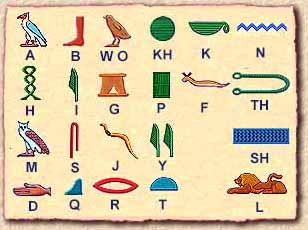
  • The written language that the Egyptians used in this period of time was hieroglyphics.
  • The written pieces and objects that are found today, are 5,000 years old.
  • When the people used to use hieroglyphics, there were over 700 different symbols to memorize.
  • Because it was such a complicated course to go through, only about 1 percent of the population could literate.
  • Some hieroglyphic symbols are used to make sounds, and some are used to make words, and some are 2 put together to form a different word.
  • Mot all hieroglyphics were written on walls, buildings, and papyrus, a paper made from the papyrus plant.


Scribes Education

  • The scribes were taught by priests.
  • The education was very strict for the students.
  • If there was any sign of misbehaving or not wanting to learn, the student would be scolded, or even physically beaten.
  • Sometimes the school day would last from sun-rise to sun-set.


Scribes Profession

  • After the Scribes complete their course in education, they go off to do different things, to improve their profession.
  • They would go off with more experienced scribes, to learn even more about record keeping.
  • Soon after that, the pharaoh would send the scribes out to cities and villages to keep track of tax records.
  • The scribes would then record the grain, so there wasn’t a famine, and then record the Nile River, so there wouldn’t be a flood.

1  ancient egyt writing and education    2  ancient egypt writing and education

Citations:

  1. (Image) http://www.ancientegyptonline.co.uk/images/rosetta.jpg. 9/16/15.web


  1. (Image) http://discoveringegypt.com/wp-content/uploads/2014/06/hiero1.jpg.9/16/15.web


  1. Michael C. Carlos. Egypt. http://carlos.emory.edu/ODYSSEY/EG2YPT/daily.html. 9/15/15. web

Daily Life-Domestic Life


Daily Life – Domestic Life

Andon Swartz

  • Marriage
  1. Men married someone within social class/ extended family
  2. No formal/legal ceremony for marriage
  3. People were officially married when they set up a household together
  4. A divorce was when the couple had been living separately
  5. All divorced couples could re-marry again
  • Egyptian Society
  1. A women’s social position is based on their husband’s/father’s job
  2. The upper class women that were married to the nobility and government officials had to raise children, run the household, and observe the servants
  3. Other women that were not married to those people had to raise children as well but also had to cook, clean, make clothes for the family, and work into the fields with their husbands
  • Individual Rights
  1. Women could own their own land and were entitled to share equally any inheritance left by a family member
  2. Women were equal to men in eye of the law
  3. They could bring charges against someone in court but had to be responsible for their own actions and go answer them in court
  • Children
    1. Most children often married around 12-14 years old
    2. The kids played games such as leapfrog, tug-of-war, and a board game called senet
    3. They also played with balls, dolls, and animals
    4. Boys pretended to be soldiers and the girls pretended that their dolls were dancers.Egypt PicturesEgypt Pictures 2
    5. Citations:

9/16/15 http://www.reshafim.org.il/ad/egypt/priests_of_amen.htm Reshafim Company-9/16/15.Web

9/16/15 http://www.reshafim.org.il/ad/egypt/timelines/topics/games.htm Reshafim Company-9/15/15.Web

9/14/15 Anne Wallace Sharp-Women of Ancient Egypt-Thomson Gale-2005-Print

Daily Life – Crafts and Trade

Daily Life-Crafts and Trade

Chioma Modilim

         Craftspeople had many jobs

  • Some craftspeople were sandal makers.
  • Craftspeople worked as stone carvers and sculptors also.
  • Some of the craftspeople worked as jewelers and carpenters.
  • Some of the craftspeople were also painters, potters, weavers.
  • There were also some craftspeople who worked as leather workers and metalworkers.

They made things in their jobs for the pharaohs and the people

  • The craftspeople who were maybe painters, potters, weavers, stone carvers, sculptors or metalworkers made art for the pharaohs.
  • Craftspeople not only made art for the pharaohs but for the wealthy families as well.
  • The jewelers made jewelry with gold and stones.
  • The carpenters worked to make highly finished furniture.
  • Craftspeople who were sculptors made statues out of bronze, glass, and clay

Trade

  • Craftspeople were the people who made and traded the things that the Egyptians needed to prosper, or otherwise trade.
  • The things that the craftspeople made for the things to trade were things like copper, linen, gemstones, and various minerals
  • They traded the things that they had for things like timber, iron, silver, tin, and lead.
  • They might go into to town to trade some if there extra farm produce for such treasured objects

Social Structure

  • Craftspeople were paid with food and other goods.
  • The craftspeople also lived much better than the lower class people.
  • Craftspeople also got to hang out with the royal children and families.
  • The craftspeople held a status in society if they were master craftspeople.

pottery egypt

pottery from egypt


Citations:

(Image): http://www.historymuseum.ca/cmc/exhibitions/civil/egypt/images/life41a.jpg9/16/15 Web

(Image): http://reshafim.org.il/ad/egypt/pottery/potter.jpg 9/16/15 Web

(Website): André.Aspects of Life in Ancient Egypt. http://www.reshafim.org.il/ad/egypt/timelines/topics/index.html.9/15/15.Web

(Website): Akhet Egyptology.The Horizion to the Past. http://www.akhet.co.uk/cairo.htm9/15/15.Web

Daily Life- Burial Practices

Daily Life- Burial Practices

By Christina Polge

Afterlife

  • Egyptians thought that saying the name of a dead person would make them live forever.
  •  The Egyptians also believed that by preserving the body, their dead loved ones could live forever, in another way. They developed a process called mummification to do this
  • There are several different (three to be exact) souls the Egyptians believed you had. These were the ba or your personality, the ka or the life force, and the akh or the holy soul.
  • You would have to pay a lot of money for yourself or another to become a mummy. It was a very expensive process.

Mummification

  • This process was called embalming and we now know it as mummifying. This was a sacred and holy process that contained many complex steps.
  • First, the priests of Anubis, the god of mummification, would take your body away to a tent of “purification” called an ibu.
  • Then, the people in charge, the priests to the god Anubis, would remove every inner organ except for the heart, such as the liver, and stored them in jars crafted out of clay or limestone.
  • Then, the embalmers, another name for these priests, removed the brain of the deceased person using hooks to get it out the nose.
  • The cheap way was when the body was injected with a type of oil and drained out.
  • The common folk of the time period had their organs removed and stored in canopic jars, the body was dried out, and then turned into a mummy, by being wrapped up in the linen.
  • The rich people had the same as the common folk, except they got portrait masks, which is a mask made out of cartonnage, a mixture of plaster, linen and resin and sometimes even solid gold.
  • Next, the body was laid in a box, covered in a kind of salt called natron, and dried in the box for 40 days.
  • After those days, the priests removed the body, washed, oiled and wrapped it in several yards of fabric.
  • Sometimes, they also spread a black oil called monia over the body. This word is an origin of the term mummy.
  • The body was then ready for burial.

Funerals

  • The mourners were young girls hired by the dead’s relations. They would wear blue dresses and sob while throwing ash upon themselves.
  • Different funeral priests would be brought in to burn incense, recite prayers and preform the opening of the mouth ceremony. They would use sacred tools for this ceremony.
  • Seventy days after the dead person passed would be the time for the funeral. They would always be buried on the west side of the river, because the Egyptians were superstitious.
  • To physically bury the body, it would be taken to a boat, rowed across the river and then pulled to the tomb on a sledge.
  • The priest and mourners walk with the body in a processional way to the tomb, with food offerings and necessities to put in the tombs.
  • In front of the tomb, the priest would complete the opening of the mouth ceremony. This is when the priest would use a symbolic tool and place it on the mummy’s “lips” to welcome back it’s departed soul, so that the mummy may move freely around the afterlife.
  • The Egyptians believed that after the funeral, your body went to the weighing of the heart ceremony, led by Anubis, the god of mummies. Then, the heart was weighed against the feather of truth. Thoth recorded the deeds. If the heart was too heavy, Ammunt would eat it.
  • Once the process of finding the way through the afterlife, and when the tomb was closed, the Egyptians believed that the body was safe.

Tombs

  • The carpenters would then use precious wood and paints made of stones mixed with gum. The best type was cedar from Lebanon.
  • The wealthiest people afforded 3 coffins inside their tombs. The Egyptians had very sacred and complex orders of the spells that needed to be written on the outside of them.
  • The poorer people used then sheets of gold stuck on wood, which was hard to recognize from solid gold.


  • The actual tomb you were laid to rest in was a place for your body to rest and for your family to bring food and things of necessity to you and to communicate with your ba.
  • After the funeral, the tomb was sealed.
  • Unfortunately tomb robbers would break in. The penalty was a slow death by impalement, but they didn’t care, because it would make them rich.
  • A lot of the treasures buried in tombs such as linens, glass, gold, frankincense and myrrh were very rare.

Burial Practice Pic1 Burial Practive Pic 2

Citations

(Image). http://www.cs.dartmouth.edu/farid/egypt/rekhmira1.jpg. 9/16/15. Web.

(Image). http://www.reshafim.org.il/ad/egypt/funerary_practices/masks.jpg. 9/16/15. Web.

Stewart, David. You Wouldn’t Want to be an Egyptian Mummy. Salariya Book Company.


Daily Life – Adoring the Body

Daily life- Adoring the Body

Meaghan Bates

Hair

  • Egyptians dyed their hair with henna.
  • Usually if you didn’t dye your hair you would shave it or cut it short.
  • Rich Egyptians would wear wigs.
  • People tied cones made of animal fat to perfume themselves.
  • Cosmetics
  • The more rich you are the better the materials in your cosmetics are.
  • Cosmetics in Egypt were used for fashion and protection from weather.
  • They outlined their eyes with black kohl to make their eyes look bigger.
  • They also wore perfumed oils to soften their skin and keep their skin from burning and cracking in the desert weather.
  • Science some of the cosmetics had antibacterial substances it helped them from getting diseases.
  •                  Clothes
  • If you were rich in Egypt you would bleach your clothes white so people thought you had a lot of money so my clothes are a cleaner color.
  • They used to have dyer workshops to color your clothes in Egypt.
  • The Egyptians liked to wear light and bland clothing.
  • For most of the Egyptians clothes were made out of a cloth called linen.
  • The rich and poor Egyptians wore similar clothing. The only big difference was that the poor people’s clothes were white and the rich people’s clothes were all different colors because they could afford dye.
  • Men wore long cloth around their waist and a plain shirt slipped over their heads.
  • Women wore long skirts or sleeveless dresses.


Jewelry

  • Men and Women wore jewelry. Also you didn’t have to be rich to have and wear jewelry.
  • Egyptians wore jewelry for magical proposes too.
  • If you wore an amulet it was supposed to keep the wearer away from harm.
  • The most favorite stones that were used for jewelry were blue lapis, red carnelian, and greenish blue turquoise.

Citations

(Image)<http://www.touregypt.net/historicalessays/lifeinEgypt9.htm> 9/16/15. Web.Women of Ancient Egypt Anne Wallace Sharp 2005 Thomas Gale Print Dollinger, Andrehttp://www.reshafim.org.il/ad/egypt/timelines/topics/index.html 9/16/15 WebWas used for both picturesCitations:

Daily Life – Social Classes

Ancient Egypt Social Classes #1 Ancient Egypt Social Classes #2

Pharaoh

    • The pharaoh was always the most important and highest person in social classes of the ancient Egyptian times.
    • He owned all of the land and maintain total control.
    • The pharaoh would travel from each of his many temples in Egypt to make sure that everything was running smoothly.
    • Pharaohs always had the assistance of nobles, priests, and government officials.
      • In exchange though, pharaohs gave his “helpers” small pieces of land for their acts of service.
      • Scribes
    • People became scribes after they attended school to learn to read and write.
    • Parents wanted their children attending these schools because becoming a scribe was a common way to become rich and wealthy.
    • There were three levels of schools that you could attend  .
      • If you were wealthy and noble, you could attend the royal palace to be educated with the royal children.
      • If you were middle class, you could go to temple schools or village schools.
    • Scribes were employed to write legal documents throughout the country of Egypt.
    • Artists, carpenters, and more skilled workers
    • Artists and painters created art for the royal palace and also for other middle class citizens.
    • Carpenters created furniture for the royal palace.
    • Other common workers were for example jewelers that created many of the necklaces and earrings we see today.
    • Laborers
    • This was the largest and lowest social class in ancient Egyptian times.
    • Many of them were farmers, but during flooding season they couldn’t work.
      • Instead they helped the government build temples, pyramids, and other buildings.
    • They also made large irrigation systems for the government from the Nile.

Citations

(Image) http://www.reshafim.org.il/ad/egypt/people/social_classes.htm. 9/16/15. Web.

(Image) http://www.ushistory.org/civ/3b.asp. 9/16/15. Web.

Harris, Geraldine. Ancient Egypt. Equinox Publishing. 1990.

Harvey, Gill. Encyclopedia of Ancient Egypt. Usborne Publishing. 2001.

Daily Life-Crafts and Trade

Daily Life- Crafts and Trade

By: Nikhil Shetty

Different types of craftspeople and what they made

  • There are different types of craftspeople and they made different things. Some of the main craftspeople were sandal maker, stone carvers, leather workers, metalworkers, sculptors, weavers, carpenters, jewelers, potters, and painters.
  • Some of the things they created were statues made of bronze, glass, and clay.
  • They also made jewelry with gold and stones.
  • Some of the materials they used were stone, clay, plant matter like wood and fibers, animal matter; bone, ivory, feathers. They soon also started making things with metals such as gold, silver, copper, tin, bronze, and finally iron.

What they traded

  • They traded the statues that they made of bronze, glass, and clay
  • Also, they traded jewelry made of gold and stones as well as highly finished furniture
  • Grains, gold, copper, linen, gemstones, and various minerals were materials that were exchanged
  • They received things like timber, iron, silver, tin, and lead
  • They never traded for currency or coins

How craftsmen were brought up and trained. Also selected

  • Most craftspeople were men
  • They were mainly taught at a young age because of the skill required to make the items they mad.
  • When they were taught, they were often went to school at Pharaoh’s palace with royal children

Trading with different civilizations

  • Some countries they traded with was Lebanon, Afghanistan, central Africa, Syria, Crete, and Mesopotamia
  • The Egyptian’s were the wealthiest country of that time
  • When they traded, they received items they lacked like timber, iron, silver, tin, and lead
  • Cities that were right along the Nile were the best for trading as they could take a boat to many different places to trade.

Citations:

Traded items Egyptian Crafts

(Image).http://www.historymuseum.ca/cmc/exhibitions/civil/egypt/images/life43.jpg.9/16/15.Web.

(Image).http://egypt-trade.wikidot.com/local–resized-images/start/Cedar%20Wood.jpg/thumbnail.jpg.9/16/15.Web.

Hamilton R.Ancient Egypt: The Kingdom of the Pharaohs. Parragon Publishing.2007.Print


Daily Life- Domestic Life

Laura Lupton-Smith

Marriage

  • The Ancient Egyptians usually married someone in their social class or in their extended family. They got to choose who they got to marry.
  • There was no formal legal or religious marriage ceremony but often a scribe would draw a contract showing that they were married.
  • A marriage for the Ancient Egyptians was when a man and a woman set up a household together; there was no wedding.
  • Divorce was legal and it happened when couples who lived together now wanted to separate. However, they were allowed to remarry.
  • The Egyptians were married at a very young age, usually around 12 for girls and 14 for boys.

Women’s Social Structure

  • A women’s social position depended on her father’s and then her husband’s social position.
  • Women in the Upper Class were usually wives of the nobility and the important government officials. They were responsible for running their house, raising their children and overseeing the servants. Those women did no manual work.
  • The Lower Class women were also responsible for raising their children but they were expected to cook, clean and make their family’s clothes. In busy seasons they had to work in the fields with their husbands

Women’s Rights

  • All women in Ancient Egypt could rent or own their own property and they could inherent whatever was left for them.
  • Women were always equal to men in the law. They always spoke for themselves in court.
  • Women were also entitled to give the judge their opinion and they could give charges to the guilty person or persons in court.

Child Life

  • Children in Ancient Egypt played games such as: leapfrog, tug of war and a very popular game called Senet. Senet was a game where players battled against forces of evil to reach the underworld kingdom of a God called Osiris.
  • Many Egyptian children died at a very young age often because of diseases.
  • Children in Ancient Egypt played with dolls, balls, and toy animals, like us in the United States.

Citations

:Domestic Life 1 Domestic Life 2

(Image) https://genderegyptant3145-fall11brittanniwyatt.wikispaces.com/ 9/16/15. Web.


(Image) http://factsanddetails.com/world/cat56/sub365/item1926.html.  9/16/15. Web.

Jim Whiting Life Along the Ancient Nile. RefrencePoint Press Inc. 2013. Print.

Daily Life- Burial Practices

Daily Life – Burial Practices

Zack Woodcock


Embalming

After they were removed organs were put in jars called canopic jars made of lime stone.

In the process of embalming first the priest would Remove the organs

Next they would remove the person’s brain through their nose. Then the body is placed in a coffin covered in natron for 40 days

Next to clean the body the priest has to wash, oil, and wrap the body in several hundred yards of fabric.

Finally the body is covered in Momia and put into a coffin

Wealthy vs poor

People who could afford one just had a simple funeral and were buried in a wooden coffin.

When a pharaoh died very special treatment was used. There were entire boats built to carry the pharaohs to help protect the body.

Grave Robbers

Sometimes thieves would break into tombs to steal all the riches that pharaohs were buried with.

Egyptians sometimes buried pharaohs in secret locations to prevent their graves from being broken into.

Although hundreds have been found some Pharaohs tombs still haven’t been found.

Rituals

The heart is the only organ left in the dead people. When burying someone the priest wears the mask of the jackal headed god Anubis.

The dead were buried with items they could use in the afterlife like food drink and even everyday items like games or mirrors

mummy_egypt300 canopic2

Citations:

(image). http://www.crystalinks.com/canopic2.gif. 9/16/15.Web


(image). http://www.crystalinks.com/mummy_egypt300.jpg. 9/15/15.Web


PBS.Website.MissingTombsofthepharaohs.http://www.pbs.org/wgbh/nova/ancient/missing-tombs-pharaohs.html.9/16/15.Web

Daily Life – Religious Belifs

Daily Life –Religion and Beliefs


Matthew Handelsman

Egyptian Gods

  • Egyptians believed that their gods has created and ruled the world.
  • Each god served its own purpose but some were more important than others.
  • One of the most important gods was Osiris. He was the god of the underworld which is where people go when they die.
  • Some other famous gods are Horus god of the sky and Isis god of protection of the living and dead.

Appearance of Gods

  • Some Gods had normal bodies with animal heads.
  • A famous one was Anubis who had the body of a human and the head of a jackal
  • He was the god of necropolis were Egyptians believed bodies were prepared for the afterlife.
  • Thoth was another famous on who had the head of an ibis (a bird) and he was the god of knowledge and writing.

Temples

  • Egyptians believed that temples were the Earth homes of gods and goddesses.
  • Except for a few special occasions only priest and priestesses were allowed into the temples.
  • On important festivals a statue of the god was carried to the most sacred place of the temple.
  • Only on these occasions were common people allowed to enter the outer court yards of the temple in order to watch the ceremony.
  • Small structures built outside the temple were dedicated to the prayers of common people.

Religion at Home

  • Common people paid homage to the god in their homes as well.
  • Most people had a small are in their house were they could make offerings to local gods.
  • People honored gods for things like having a child as well as to keep bad things away and the spirits of the dead.

 abu simbel Daily Life ancientgods daily life

Citations: (Image).http://witcombe.sbc.edu/sacredplaces/images/abusimbel.gif.9/16/15.Web

(Image).http://www.thenileandegypt.com/images/ancientgods.gif.9/16/15.web

Bunson, Margaret. A Dictionary of Ancient Egypt. Oxford University Press.1991.print

Daily Life – Writing and Education

      Daily Life- Writing and Education

Alekh Palakurthi


Hieroglyphics

  • Hieroglyphics were very difficult to learn.
  • The Rosetta stone was translated by a French man named Champollion.
  • Hieroglyphics were the most important way of writing in Ancient Egypt.
  • Champollion was not the only one that helped discover the secrets of the Rosetta stone. He had many people who helped, including a man named Thomas Young.

Student Life

  • Students were taken from all forms and classes of society to learn.
  • Students were severely punished if they were not willing to learn.
  • They would be learning sometimes for very long times, sunrise to sunset even.

Scribal Work

  • Scribes would do tasks for the Pharaoh like making tax records and keeping track of food records. They also kept census.
  • Scribes earned respect and high financial rewards, for their work was highly respected.
  • Scribes could usually write in most of the Ancient Egyptian ways.
  • Famous scribes accomplished many things. Famous viziers were often scribes. Some scribes were even considered as gods.

Scribal Students

  • Scribal students spent a long time learning the different writing styles in Egypt.
  • They used tablets and papyrus.
  • They eventually helped scribes to make their learning faster.

Citations:                                              Scribal students picHierophabet

(Image). http://discoveringegypt.com/wp-content/uploads/2014/06/hiero1.jpg.9-16-15.Web

(Image). http://www.ancientcivilizations.co.uk/writing/egypt/images/bo_whole.jpg .9-16-15.Web


Daily Life-Warfare

Daily Life-Warfare

Miles Lubas

Soldiers

  • Egypt military played an important role in peacetime and in war.
  • Egypt had a standing army of soldiers that worked full time. They were stationed throughout the entire empire.
  • Egypt also had mercenaries, which were usually from distant lands that were payed to fight. The actual cost of what it was to have a mercenary fight for you was unknown. Guesses can only be made.
  • When Egypt needed to send an army into battle, the pharaoh would take one out of every ten men who worked in the temples to aid the army.
  • The Egyptians did not have one main strategy. Although Ramesses the Second once led four divisions named after gods to fight against the city of Kadesh. They waited for a while to attack and surprised them and were able to win the battle.

Companies and Divisions

  • The Egyptian army was organized into divisions and companies.
  • A company had about 200 foot soldiers while a division had almost 5,000 soldiers.
  • A captain lead each company, and he carried a staff topped with the companies’ emblem to show his importance.
  • A general or a lieutenant led a division. Each division marched under a flag which had a picture of their main god on it.
  • The general of each army would report to the king what had happened during the battle or whatever they had been doing.

Weapons

  • The Egyptian army and navy used lots of different weapons in battle.
  • The infantry used javelins for throwing, daggers, short curved swords, spears, maces, and axes in close combat.
  • In order to protect themselves, they used shields. These were made out of rawhide.
  • Others were wooden and rectangular. They were curved at the top and covered with leather and turtle shell. The soldiers also had headgear made out of paddled caps.
  • Soldiers had to wear protective gear, but under all of that they wore a leather triangular kilt which was a protective garment. Coats of chain mail were very rare and worn usually only by the king
  • Over the years, weapons changed, for example the axe. The blades became shorter with a more narrow edge. Arrows also evolved. They started to be made of reed.
  • Although the Egyptians used lots of traditional weapons, they did import a few from nearby countries or people.
  • One example of an imported weapon was the khepesh also known as a sickle sword.

Chariots

  • Sometimes soldiers fought in chariots, which were horse drawn carriages that had two wheels. Each chariot drawn by two horses.
  • In each chariot, there were two soldiers. A driver and an archer.
  • The driver wore a leather or bronze helmet and leather body armor for protection, while the archer had a bow and a few javelins for throwing.
  • The chariots served as mobile fighting platforms which archers used to attack the enemy. Someone with a sword would do no good since it was not close combat.
  • Each squadron had about 25 chariots commanded by a “Charioteer of the Residence.”
  • Since the horses were small, there was no cavalry.
  • The royal stable master was in high respect, since it was usually his horses that would lead the chariots. The Egyptians would sometimes capture horses from foreign campaigns if they were low on them.
  • Other stable masters that worked for the main stable master fed, cleaned, and made the horses exercise to keep them ready for battle.
  • Chariots were most likely introduced to the Egyptians by the Hyksos. The Egyptians later made more improved chariots which they would later use to overthrow them and other establishments.

Warfare Warfare 2

Citations:

(Image). http://www.touregypt.net/images/touregypt/war1.jpg 9/15/16.Web.

(Image). http://www.touregypt.net/images/touregypt/war3.jpg.9/15/16.Web.

David, Rosalie. Ancient Egypt. Infobase Publishing.2003. Print.                                        


Daily Life-Housing

Daily Life – Housing

Ethan Chou

How were houses made?

  • Mud bricks were made by molding and drying mud.
  • These bricks were stacked on top of each other to build houses.
  • Sometimes a pool would be dug.
  • Most houses had a miniature temple.
  • The front porch usually had a tarp for shade.
  • Poor people’s houses
  • These were usually small with few rooms.
  • They were very undecorated and had little furniture.
  • They were usually squeezed between the houses of rich people.
  • They were usually located in small villages and towns.
  • Rarely were they in the city.
  • Rich people’s houses
  • Very roomy and decorated.
  • Walls would sometimes be painted with colorful designs.
  • Pools were usually in these houses.
  • The houses had bathrooms, which were a luxury back then.
  • There would be lots of rooms, way more than lower-class Egyptians.
  • Furniture
  • Common furniture was pots, stools, tables, beds, chests, and lamps.
  • Upper- class Egyptians had a lot more furniture than poor people.
  • Most pieces were either made from wood or clay.
  • Potters made pots and carpenters made wood furniture.
  • The furniture of rich people was more decorated.

egyptian houses egyptian-hut

Citations

Rymer,Eric.Egyptian House Pictures.http://quatr.us/egypt/architecture/houses.htm.9/16/15.Web

(Image).http://historylink101.com/n/egypt_1/rf-k-egyptian-house.htm.9/16/15.Web


Daily Life – Dogs

Daily Life – Topic Assigned

Katie Gulledge

Main Idea One

  • Detail One
  • Detail Two
  • Detail Three
  • Detail Four


Main Idea Two

  • Detail One
  • Detail Two
  • Detail Three
  • Detail Four


Main Idea Three

  • Detail One
  • Detail Two
  • Detail Three
  • Detail Four


Main Idea Four

  • Detail One
  • Detail Two
  • Detail Three
  • Detail Four

AmenhotepIIcoffin


Citations:

  1. (Image).www.cnn.com.9/15/15.Web.
  2. (Image).www.bbc.com.9/15/15.Web.
  3. Dog Treats Company.The Top Ten DogTreats.www.dog.com.9/17/15.Web.